Homes in Historic Downtown Sanford often date to the early 1900s with original clay or cast-iron sewer lines that crack under shifting sandy soils common along the St. Johns River basin. Hot humid summers accelerate root growth from live oaks lining First Street and Palmetto Avenue, pushing into joints and causing backups that reach the Wayne Densch Performing Arts Center block. Crews from the shop at 105 W Commercial St Ste 107A stage equipment on side streets to minimize disruption to foot traffic and the weekly farmers market setup.
Mild winters keep the water table high near Lake Monroe, so even small leaks quickly saturate yards and threaten foundations of two-story frame houses on narrow lots. Trenchless pipe bursting lets technicians replace lines from the sidewalk to the street without tearing up preserved brick pavers or disturbing the Seminole County Courthouse grounds. Upfront quotes account for the extra shoring needed when utilities run close to the riverfront bulkhead.
Service calls increase after heavy summer storms when stormwater infiltrates aging laterals that empty into Seminole County mains. Technicians familiar with the grid of alleys behind Magnolia Avenue can locate cleanouts quickly and avoid the traffic bottlenecks that form around the Central Florida Zoo shuttle stops during peak season.
Around Historic Downtown Sanford
We regularly work near:
- 📍Sanford Historic District
- 📍Wayne Densch Performing Arts Center
- 📍Lake Monroe
- 📍Seminole County Courthouse
- 📍Memorial Park
- 📍First Street
Plumbing in Historic Downtown Sanford — Local Notes
- •Narrow 20-foot-wide rights-of-way on streets like Sanford Avenue limit excavator swing, requiring hand digging around historic gas lines installed in the 1920s.
- •High water table near Lake Monroe means every open trench needs constant dewatering to keep pipe bedding stable during repairs.
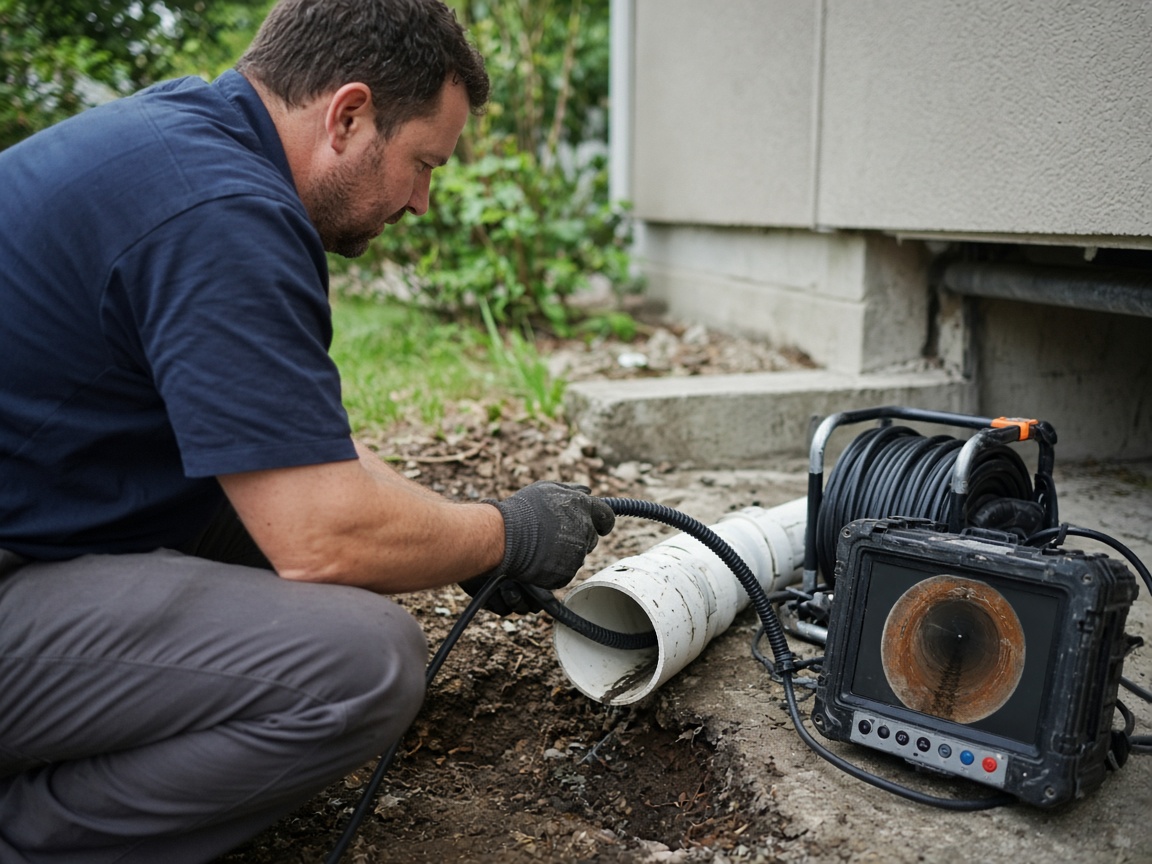
- •Mature oak and magnolia roots along the Sanford Historic District sidewalks routinely invade clay laterals, so camera inspections always start at the curb cleanout.
- •Preservation rules prohibit cutting into brick sidewalks, so all new connections are made from the street side using pit-launched bursting equipment.